The Old Fashioned Way to Save Idaho from Wildfires
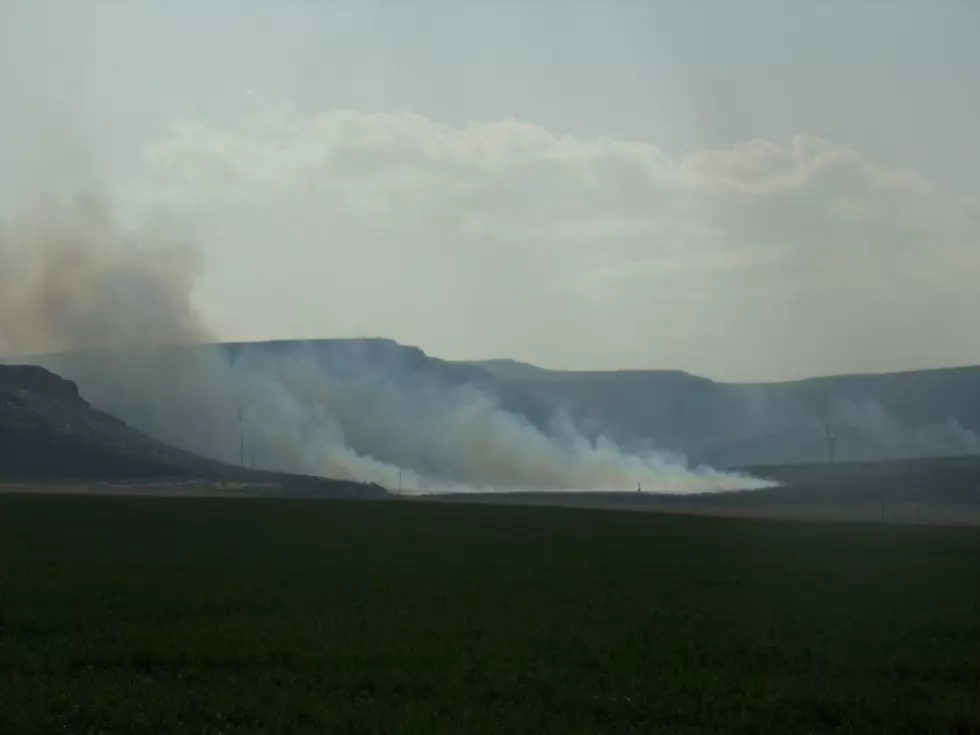
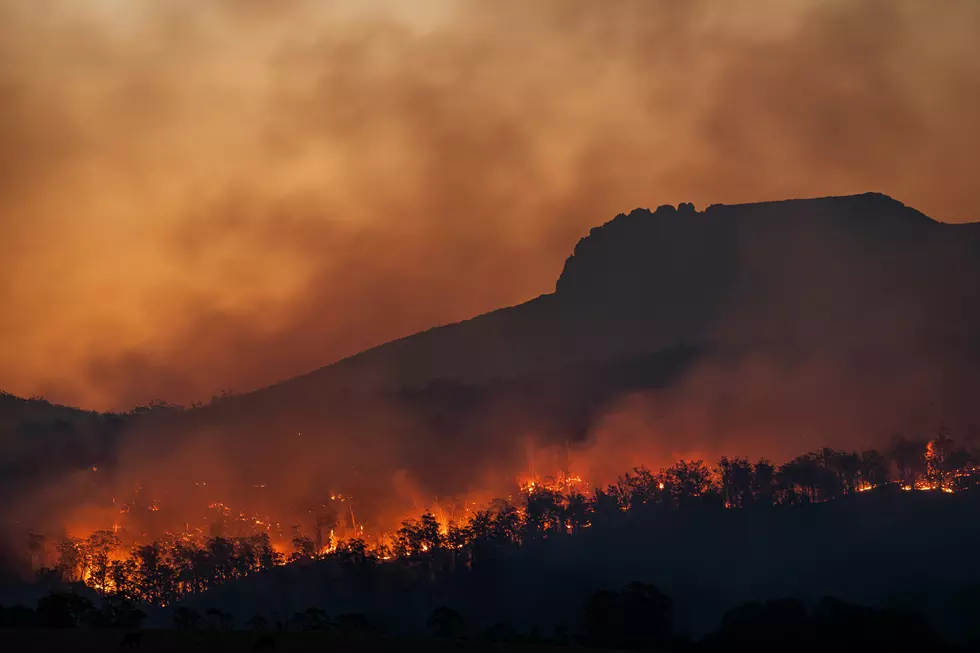
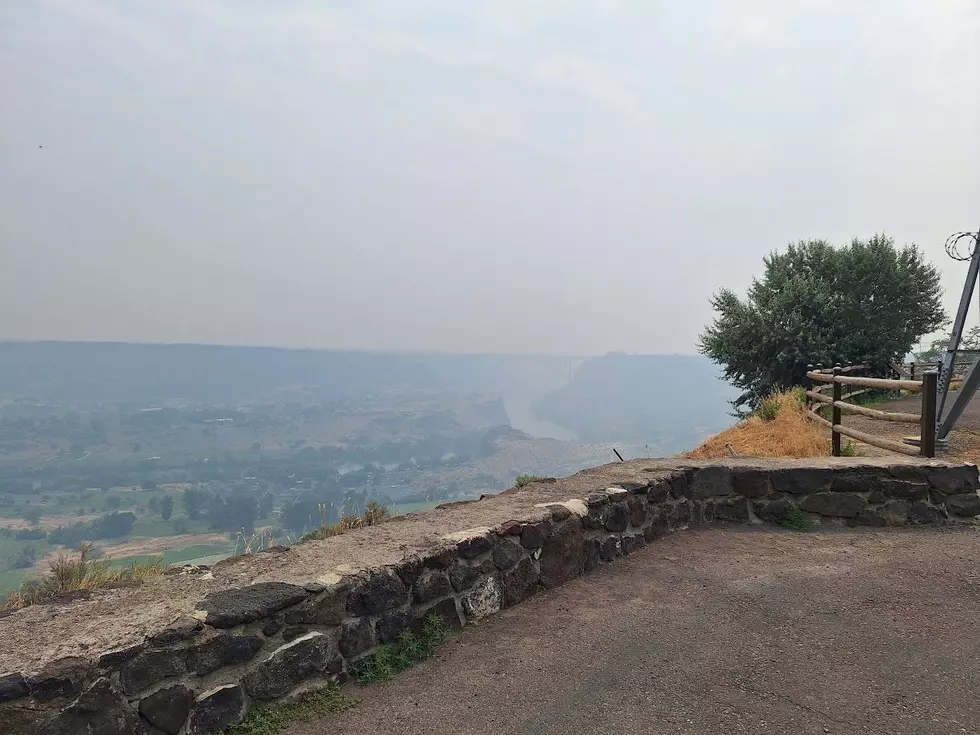
I saw the moon clearly and not through a haze. I don’t expect that very often this summer. It probably signaled a change in winds, however. I didn’t even feel a breeze as I left for work long before sunrise. I also didn’t smell smoke for the first time in days. I don’t expect the respite to last long. This week I saw an old man leaving the grocery store in a motorized cart. He was wearing a face mask. I don’t believe he’s worried about catching a cold. He’s trying to breathe in the current conditions. I could smell the awful odor in the car while driving home Tuesday. Windows up and the air conditioner running at full tilt. I felt a headache coming on, which didn’t go away until I got home and was inside.
History Suggests Ties Have Been Worse
There are a lot of reports that tell us that wildfires are more frequent because of climate change. There’s also research that claims otherwise. This link is an example, but the writers claim fewer fires today is actually a worse outcome.
Don't Let the Greenies Make the Call
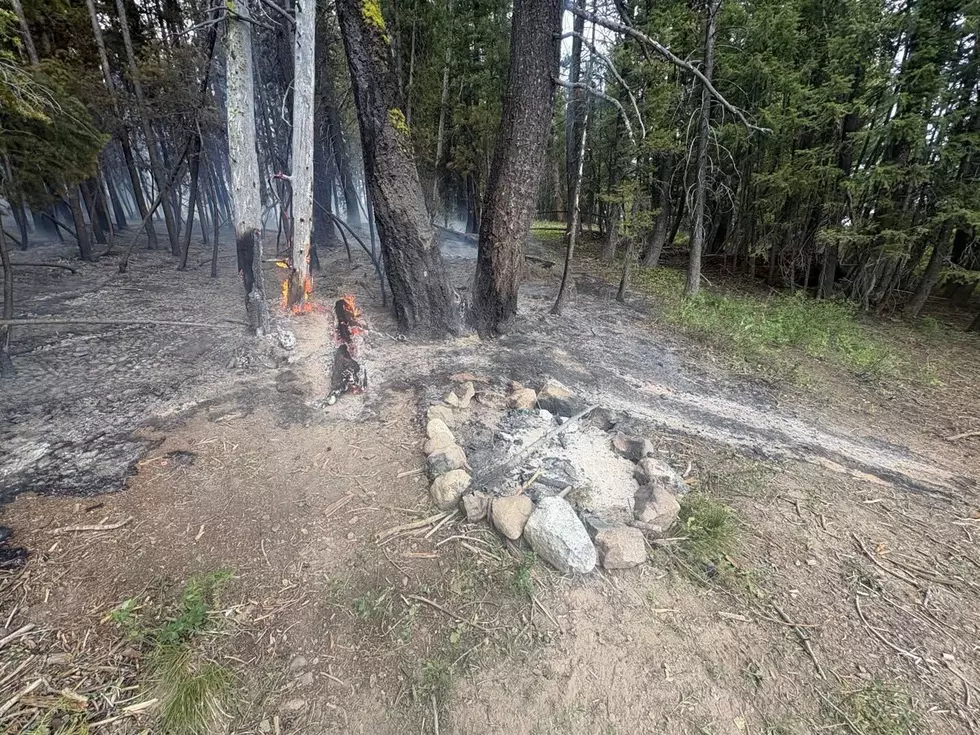
Let me offer a simple empirical observation. If you’re building a fire in your woodstove, you have some fuel. Maybe some twigs or wood scraps. Getting a log to burn without some scraps isn’t easy. If you walk a current forest floor, there’s dead biomass everywhere, including trees that were never harvested. The crunchies are worried about spirits being disturbed. If you clean up the kindling, you remove the starter fuel. The granola chomping left objects, but it used to work. It’s high time (and they know high times!) we return to a sensible policy.
Ways To Improve Indoor Air Quality During Wildfire Smoke
Gallery Credit: Lauren Wells
More From News Radio 1310 KLIX