
Advice for Surviving a Disaster in Idaho, Washington, and Utah
I’ve read plenty of doomsday lists over the years, and long ago realized that what’s on the list is often determined by the nature of the disaster. For instance, a flood could have you surrounded, but you probably shouldn’t drink the water directly. It can be filled with contaminants picked up in the flow.
There are Plenty of Guides Online
 Abby Savage on Unsplash" loading="lazy" onload="this.parentNode.parentNode.classList.add('frame-loaded');" onerror="this.parentNode.parentNode.classList.add('broken-image');" fetchpriority="low" width="6016" height="4000"/>
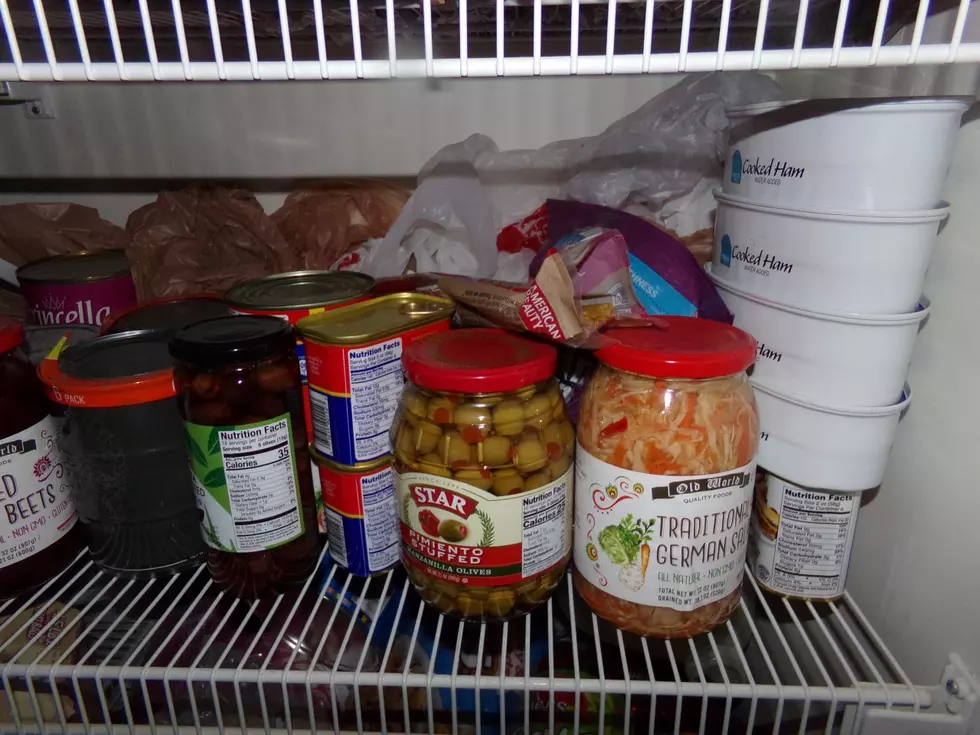
I found a decent list of supplies compiled by a writer at Substack, and having these items around even in normal times is probably a good idea. After all, getting snowed in for even a few days in winter does happen some years, especially in Idaho’s high country. You can see the recommendations by clicking here. I would stress one thing that isn’t on the list. Fresh water. If you live near a spring or have a well, then God bless you. Otherwise, there are methods for storing water long-term and keeping it clean. The first need is for drinking. You’ll die of thirst long before starvation. Keeping yourself reasonably clean will also ensure good health.
What if You Need Medical Help?
One note on the list I looked at over the weekend, and this deals with medications and first aid treatments. Putting aspirin on a shelf at home is easy, but prescription drugs are another matter. Whether you approve or not, millions of your countrymen are taking some pills. I know from personal experience that it’s sometimes a fight to get a prescription refilled. This is where you need to speak to your doctor in advance and see if he can shake the tree. Just because I live half a block from a pharmacy doesn’t guarantee I can saunter in and get back-up supplies.
American Red Cross: Desperate For Donors Amidst Dangerously Low Numbers
Gallery Credit: Stephanie Gull
More From News Radio 1310 KLIX