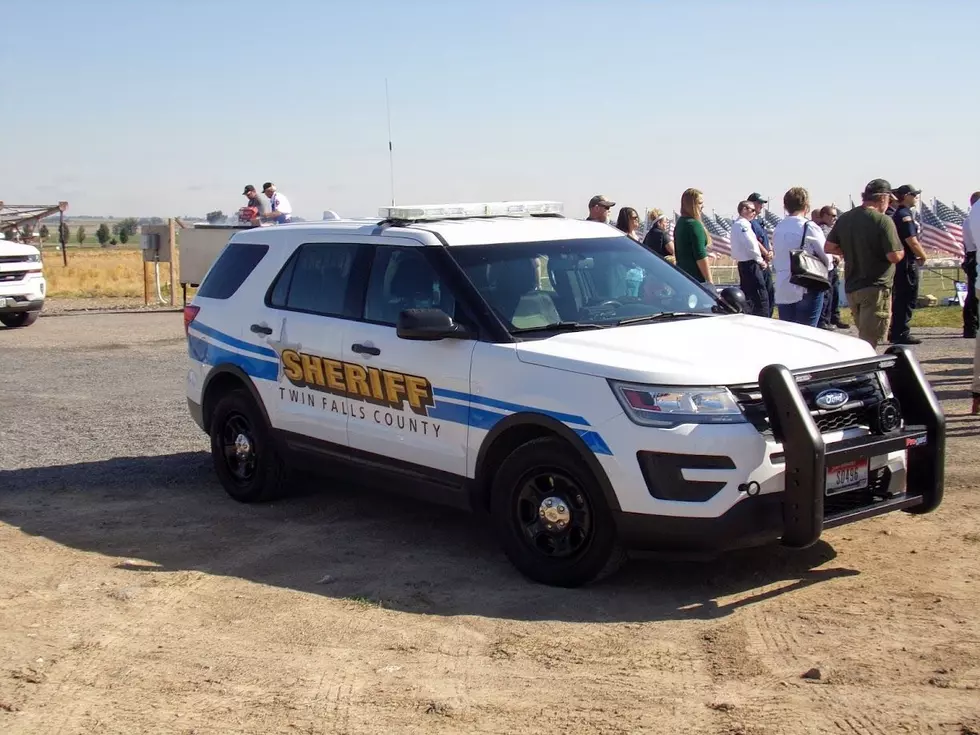
Con Men Impersonate Deputies in Twin Falls
I’ve never had one of these calls, but I don’t have a 208 area code. Maybe that spares me. This is an old scam. It comes back around like changes in the four seasons. There have been times when even deputies have received the calls, and they know the guy on the line isn’t someone they work with. When they mention that, the con artist on the other end quickly hangs up. You should do the same. If a deputy wants you for something, you’ll probably see him or her at your door.
This is Only Going to Get Worse in Days Ahead
Modern technology makes these scams easier to pull off, and with the rise in artificial intelligence, it will probably become even more difficult to sort some of them out. Especially when AI can mimic voice patterns. If you get a call, the Sheriff recommends you end the call, then call his office to clarify. At least in some instances, voice patterns are still difficult to replicate, and some deputies have very familiar voices because of the hundreds of radio and TV appearances they’ve made.
These Criminals Don't Operate Locally
The criminals behind the calls are very difficult to locate, often operating overseas. Don’t wire them money. Don’t even ask questions. Again, simply hang up.
A few years ago, a man told me he got a call from someone who claimed to be his grandson and said he was in a Mexican jail and in need of bail. When the man asked how the grandson he had seen a few hours before made it to Mexico, the scammer decided to hang up. Funny, but no need at all to interact with them.
Ranking States with Most Online Scams
Gallery Credit: Scott Clow
More From News Radio 1310 KLIX