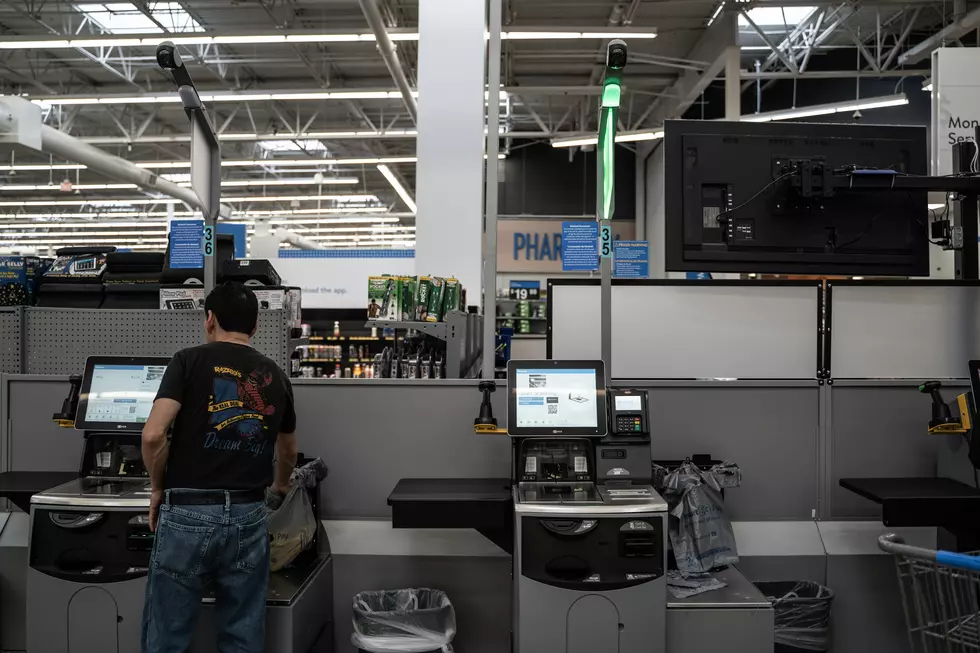
The next generation of self-checkout will require a smartphone and an app. I had a conversation with a guy who works at a local grocery store about the phasing out of self-checkout, which has already replaced the traditional human cashier, for the most part. His store is already using AI for some functions, and in a couple of years, checkout may be eliminated. What will happen is that your account will be debited as you pass a scanner going out the door. This will also benefit the store by reducing theft, which could cut costs even further. Theft can be factored into pricing.
A Mechanical Brain Will Be Taking Over Store Management
AI could also step into some management roles.�� At some stores, a manager can work 20 hours a day and seven days a week. Assistant managers can also have heavy schedules. Many of these positions can be reduced. Competition is driving technology, as supermarkets are challenged to counter grocery inflation.
The Evolution Has Been Underway for a Long Time
Last summer, I talked to a man at the Twin Falls County Fair. His family owns grocery stores, and he explained that inventory and stocking have also been revolutionized by technology. I like saving money; who doesn’t? But I also enjoy the personal contact. I know the favorite football teams of some people I see at my local stores, and I know how many children some of them have, and how long they have until they retire. Those things are irreplaceable.
Top 22 Cities Spending the Most on Groceries in America
Gallery Credit: Scott Clow
More From News Radio 1310 KLIX